Dr Alexander Thomas
BA MA PhD (Bris.)
Researcher & Author of Viking Age England
Background image: The New King Barrows of the Stonehenge landscape, Wiltshire. © Dr Alexander Thomas.
Dr Alexander Thomas
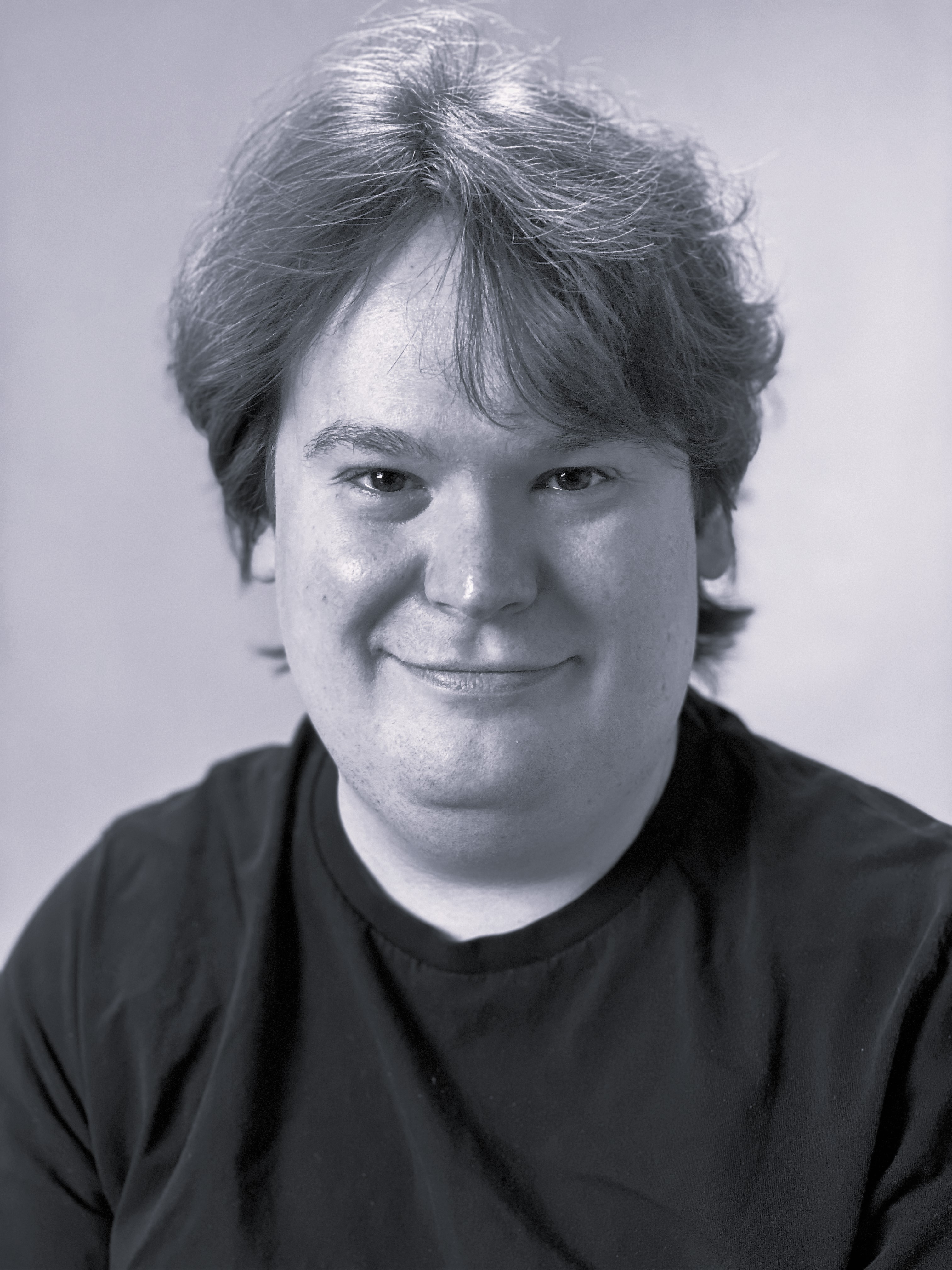
Dr Alexander Thomas is an author and an independent historical and archaeological academic researcher of Viking Age England. Originally from Hertfordshire, Alexander holds undergraduate , master's and doctoral degrees from the University of Bristol.
His PhD in Archaeology and Anthropology examined the archaeological and manuscript landscapes of the late 9th century AD Danelaw Boundary. A paper based on Alexander's research was a top-3 finalist at the 2020 John Hurst Memorial Prize , organised by the Medieval Settlement Research Group. During his studies, Alexander also led various seminars, tutorials and workshops for first and second year anthropology and archaeology students.
From 2012 to 2017, Alexander worked as a proofreader with Pen & Sword Books for their archaeology and historical fiction imprints. Click here to view the titles
Alexander has experience of various types of archaeological survey and of producing reports to Chartered Institute for Archaeologists’ (CIfA) standards.
His interests include art history and sailing. He has taken various courses at the Courtauld Institute of Art, London, and has completed several Royal Yachting Association (RYA) courses and qualifications.
Alexander has also developed and built a variety of fluid websites for the media, education, and heritage sectors. He is fully competent in Microsoft Office suite, Adobe Creative Cloud (including Adobe Illustrator, InDesign and Dreamweaver), Quantum GIS (QGIS), ReflexW, Geoplot, and TerraSurveyor. He also has a working knowledge of Python, HTML, CSS, PHP, JavaScript and SQL.
Researcher
Alexander is an independent historical and archaeological researcher of Viking Age and early medieval England.
His work explores how early medieval societies organised, understood, and navigated their landscapes. He uses spatial, quantitative, and behavioural pattern analysis — including GIS mapping, statistical modelling, and the study of textual and manuscript transmission — to make sense of the often messy and uneven extant evidence. His research seeks to explain how English and Scandinavian influence interacted across space and time through jurisdictional structure, scribal culture, and textual transmission.
His Routledge monograph, published on 22 June 2026, provides the first major reassessment of the Danelaw in more than three decades. Bringing together documentary, literary, scientific, and archaeological evidence, it applies innovative statistical modelling to reconstruct the regions of Viking Age England and reassess the Danelaw’s duration, boundary, trade dynamics, and identity. The findings reveal a far more intricate political geography than traditionally assumed, including counter-intuitive evidence for increased trade during this period.
Alexander has also contributed contextual articles to Rochester Cathedral's Textus Roffensis translation and transcription project led by Dr Christopher Monk , as part of The Rochester Cathedral Research Guild.
Research interests
The Danelaw as a dynamic legal and jurisdictional region, and social construct.
The spatial extent of Scandinavian influence in England.
Scribal culture and the transmission and reception of early English law codes and charters.
Modelling and mapping historical patterns across multiple datasets.
Memberships
Selected Works
-
A Question of Erratic Loyalty? Danish law and custom within the Danelaw (2026) ForthcomingBook: Making and Breaking Loyalty in the Anglo-Norman World
-
The Danelaw in Viking Age England: The Distribution, Impact, and Duration of Danish Law (2026) PublishedPublisher: Routledge Citations: 1
-
Boundaries, Law and Governance: The Landscape of the Danelaw Boundary (2021) CompletedAwarded by: University of Bristol
Conferences, Lectures and Events
During and after his doctoral research, Alexander has been a chair, panellist, and speaker at various international medieval studies and medieval archaeology conferences, including at the Universities of Bristol, Bournemouth, Durham, Leeds, Lincoln, and Oxford.
He has also given lectures to archives and to societies, such as the Medway Archives and Hertfordshire Anglo-Scandinavian Society respectively. Alexander has also co-organised several postgraduate archaeology and medieval conferences.
Speaker Invitations
Alexander welcomes requests to speak at events and conferences on various aspects of the Viking Age and Viking Age governance. Please email him if you wish to enquire.
“Highly knowledgeable speaker, giving in-depth detail. Excellent visual presentation. Well delivered.”
“Very informative, interesting to discover facts about Danelaw and early Kings. Fascinated by depth of research.”
“A 'tour de force' of research and scholarship. Quite mind-blowing.”
Teaching and Marking
Alexander has led various seminars, tutorials and workshops, on archaeological practice and theory units, for first and second year anthropology and archaeology undergraduates at Bristol including:
Pre-Excavation Techniques (renamed Archaeological Practice )
Alexander has experience of marking first and second year undergraduate essays and exams. He also has experience of teaching adult learning classes which introduce Viking Age England.